Scientists from The University of Manchester have identified a brief window after brain tumour surgery during which a treatment for glioblastoma, an incurable brain cancer, can cross the brain’s protective barrier and reach the cancer cells most likely to trigger tumour regrowth.
Researchers found that a type of chemotherapy can be timed to reach the small number of brain tumour cells that are left behind after surgery. Treating these remaining cells soon after the operation may help improve how well the treatment works.
The discovery, published in Science Translational Medicine, could pave the way for more effective treatments for glioblastoma, the most common and aggressive form of brain cancer in adults, by delivering chemotherapy directly to the area where the tumour is most likely to return.
Neurosurgeons will typically first remove the tumour, before oncologists treat the patient with chemoradiotherapy 4 to 6 weeks later, giving remaining cancer cells time to grow. Because glioblastoma cells infiltrate deep into healthy brain tissue, some will always be left after surgery, meaning the disease will inevitably return.
Researchers found that surgery itself creates two short-lived periods when the protective membrane, known as the blood-brain barrier, becomes temporarily more permeable around the edge of the surgical cavity.
By administering cancer treatments packaged inside tiny particles (known as nanomedicines) during these windows, the team showed they could selectively deliver chemotherapy to the edge of the tissue that was removed during surgery, while largely sparing healthy brain tissue.
The findings suggest that timing may be just as important as the treatment itself.
Rather than developing an entirely new drug, the approach could potentially repurpose nanomedicines that are already used in clinical practice by administering them during this newly identified window.
For patients, this could ultimately mean more effective treatment immediately after surgery, when the risk of recurrence begins, without exposing the rest of the brain to higher levels of chemotherapy.
Glioblastoma remains one of the most difficult cancers to treat. More than 70% of patients undergo surgery, yet the disease almost invariably returns because infiltrating tumour cells cannot be completely removed. Average survival remains around 12-18 months despite advances in surgery, radiotherapy and chemotherapy.
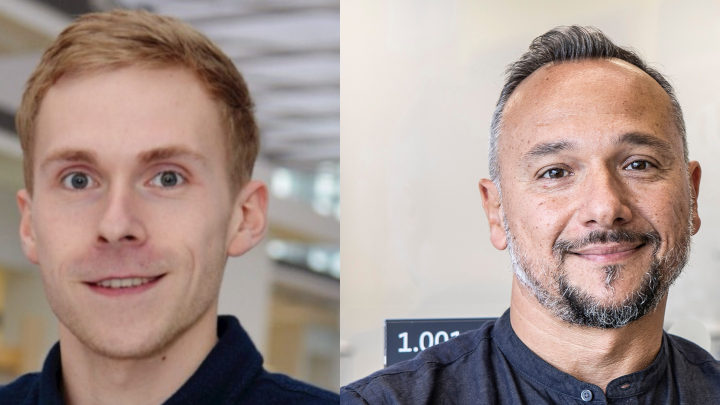
Dr Thomas Kisby, who is co-lead on the study at the Geoffrey Jefferson Brain Research Centre at The University of Manchester, said: “For the first time, we’ve shown that glioblastoma surgery briefly exposes a vulnerability we can exploit. If treatment is timed during specific windows we identified, it is able to halt the disease significantly before it regrows. We suggest that the hours and days immediately after surgery may hold the key to stopping glioblastoma from returning. It also raises the possibility that other established medicines could be redeployed in smarter, more strategic ways.”
Professor Kostas Kostarelos from The University of Manchester and the Catalan Institute of Nanoscience and Nanotechnology in Barcelona, who is co-lead on the study, said: “This research has the potential to open a new frontier in post-operative cancer care. After surgery, brain tumours often grow back from the tissue surrounding the area where the tumour was removed. We propose using the latest targeted treatments, including nanoparticle-based medicines, immunotherapy, and gene therapies, to treat this high-risk area and improve patients’ chances of long-term survival.”
Dr Gerben Borst, honorary consultant oncologist at The Christie NHS Foundation Trust, said: “One of the greatest challenges in treating glioblastoma is eliminating the cancer cells left behind after surgery. These findings suggest that we may be able to exploit the body’s own temporary response to surgery to improve drug delivery without developing entirely new medicines.
“This research is still at an early stage, but it offers hope for better ways to target cancer cells after surgery in the future. Further studies, including clinical trials, will be needed to determine whether the same strategy benefits patients. However, because the approach uses clinically established liposomal nanomedicines rather than an entirely new drug, it could offer a practical way forward in the clinic.”
Professor Robert Bristow, Director of the Manchester Cancer Research Centre, added: “This study is another example of how Manchester is at the forefront of brain cancer research. Gliobastoma is the deadliest form of brain cancer, so these research results are incredibly exciting and promises a potential breakthrough in the work to stop the tumour cells growing back after surgery. We have created a cancer research ecosystem where innovative techniques and pioneering treatments are born through close collaboration between scientists and clinicians.”
This research has been funded by the Engineering and Physical Sciences Research Council, Rosetrees Trust and Robert Luff Foundation, Cancer Research UK with the support of Geoffrey Jefferson Brain Research Centre, Manchester Academic Health Science Centre and Northern Care Alliance NHS Foundation Trust.



0 Comments