
A team of researchers from our centre have started a new pilot study looking at hearing tests for people with vestibular schwannomas (VS).
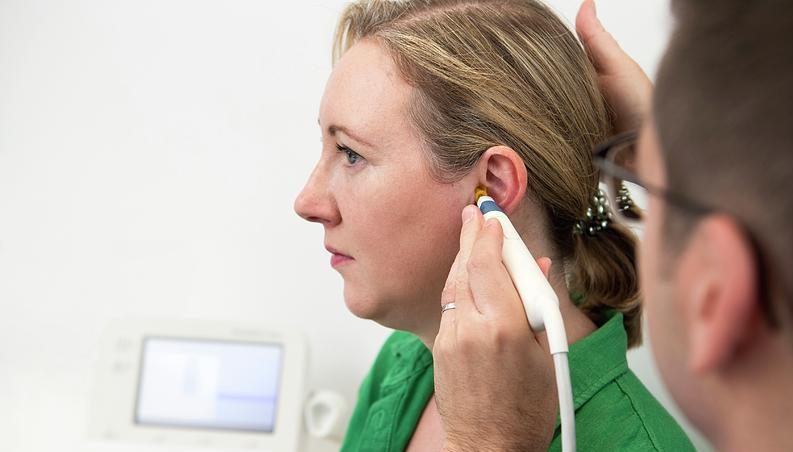
A team of researchers from our centre have started a new pilot study looking at hearing tests for people with vestibular schwannomas (VS).
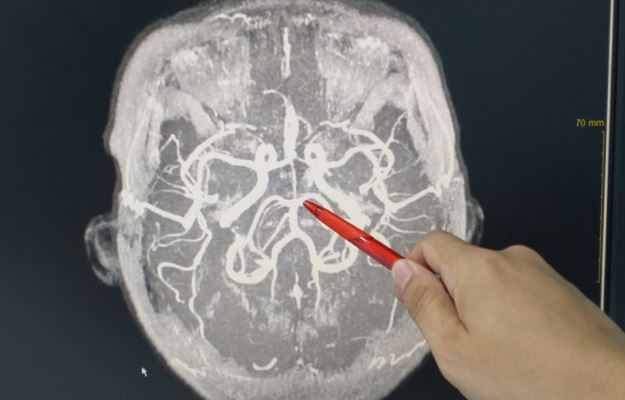
A recent study funded by the British Heart Foundation, has characterised a new mouse model of hypertension induced vascular dementia, showing the two hallmarks of the disease – a reduction in blood flow to the brain and impaired cognitive function.
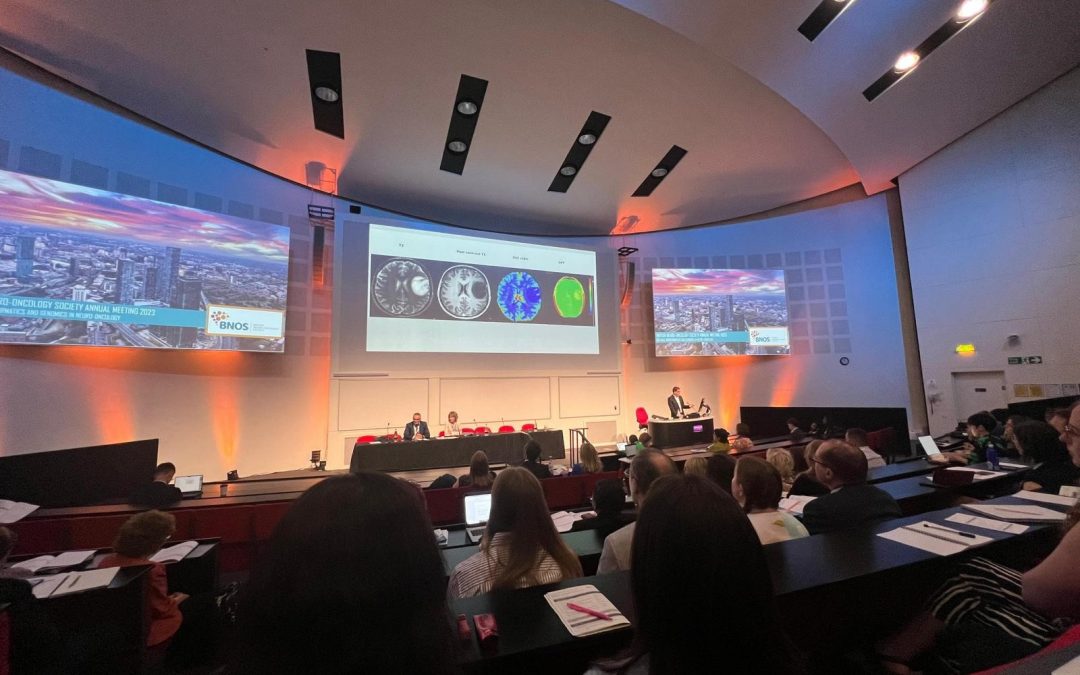
The Neurooncology team in Manchester hosted the annual meeting of the British Neuro-Oncology Society on the 5-7 July with the venue at University of Manchester.The Organising committee chaired by Miss Konstantina Karabatsou and Prof Roncaroli from Salford and...
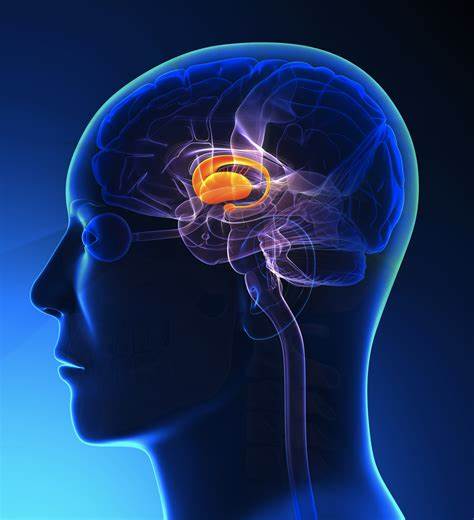
Dr Alex Kafkas, Lecturer in Cognitive Neuroscience in The University of Manchester's Division of Psychology, Communication and Human Neuroscience, and part of our Imaging Theme has been awarded funding from the Medical Research Council along with colleauges Adrian...
Our stroke theme researchers, Catherine Lawrence (PI), Paul Kasher, Stuart Allan and Ben Dickie have been awarded a grant from The Medical Research Council. Modulating cholesterol 25-hydroxylase: a strategy to accelerate haematoma clearance after intracerebral...
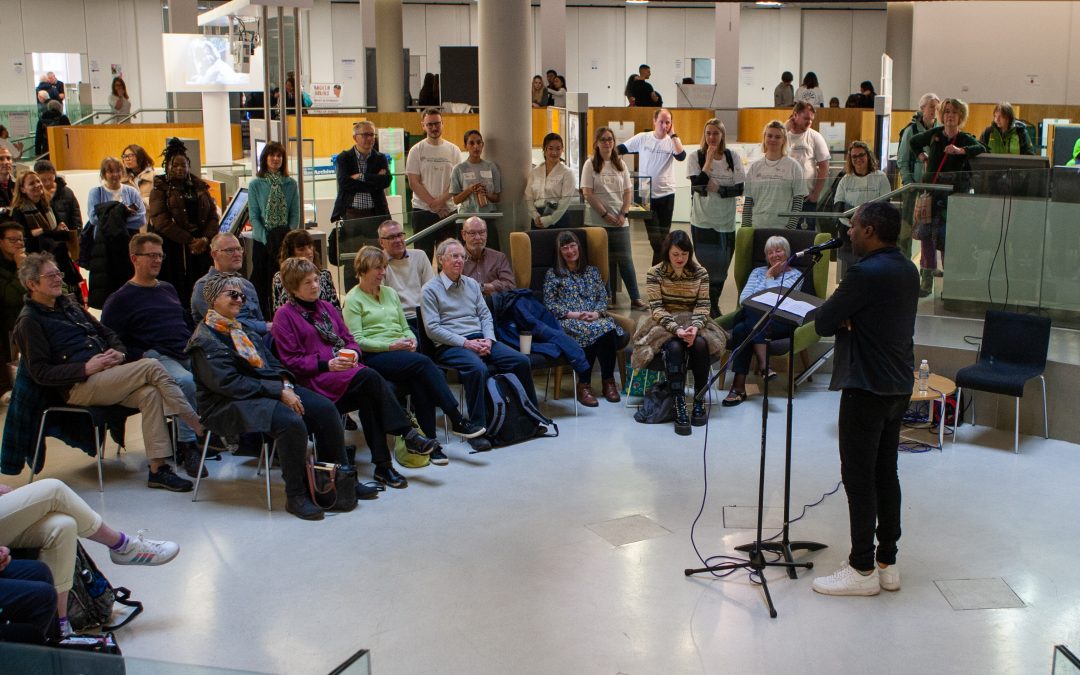
We are delighted the Brain Health Day Team have been shortlisted for the NIHR Clinical Research Network Greater Manchester Health and Care Research Awards 2023. This success follows shortly after the team won the The University of Manchester Faculty of Biology,...
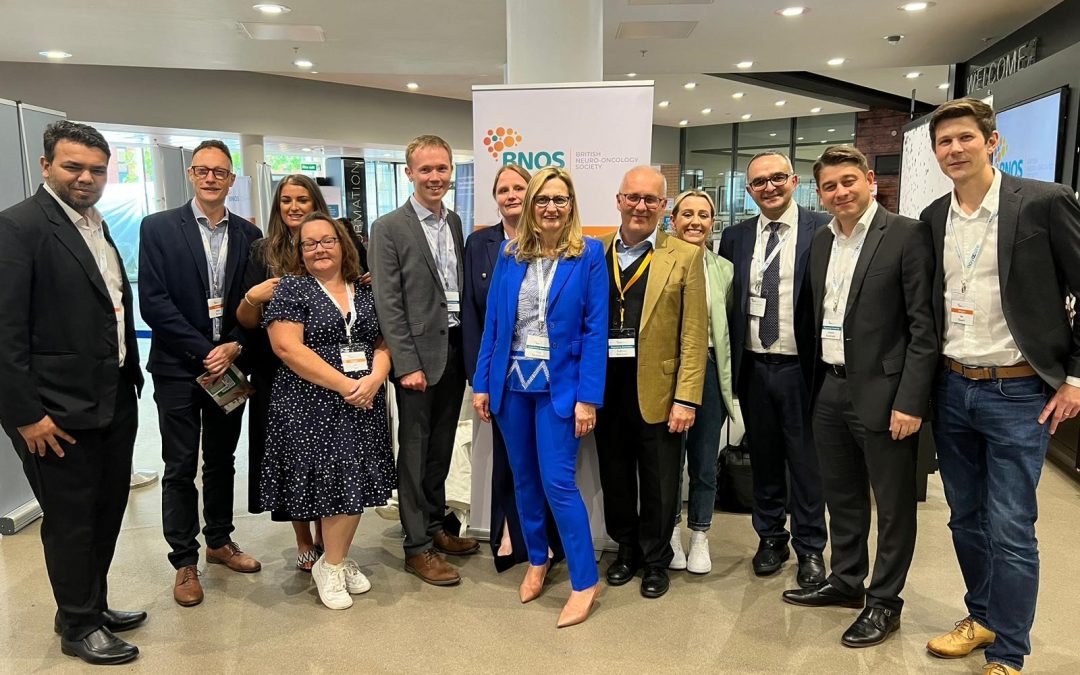
The British Neurooncology Society meeting provided a unique opportunity for all those working in the field of Neuro-oncology in the UK and beyond to meet and share their experiences. Several national and international faculties, PhD students and post-doctoral fellows from the University of Manchester and our Centre also presented their research.
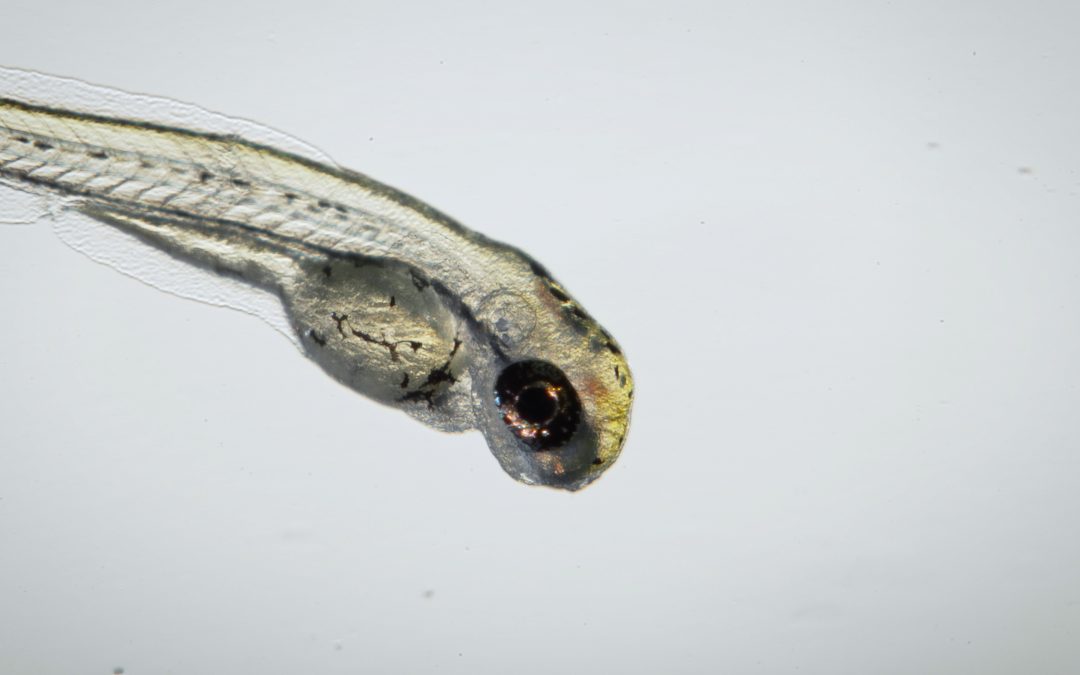
Scientists have developed new models to investigate brain haemorrhage that can replace the use of mammals.
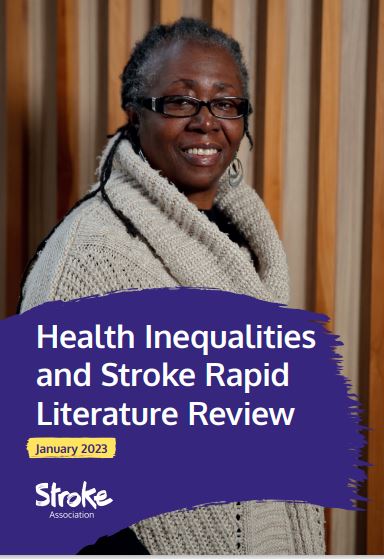
Health inequalities are unfair differences in health between different groups in society. This Stroke Association commissioned literature review led by our Rehabilitation and Living with Disability theme lead Professor Audrey Bowen, looks at health inequalities and stroke as a first step to finding out what research exists on health inequalities across the stroke pathway, and collated these studies.
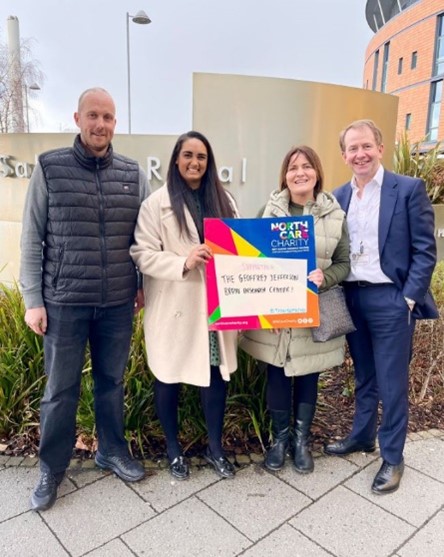
Vicky Lewis' life "changed dramatically" in September 2021 when she was diagnosed with a brain tumour. The 43-year-old was referred to Salford Royal Hospital and the decision was made that surgery was needed. After successful surgery and as she continues her recovery,...
Geoffrey Jefferson Brain Research Centre
Clinical Sciences Building
Northern Care Alliance
NHS Foundation Trust
Salford
M6 8FJ
Email: GJBRC@manchester.ac.uk


Recent Comments